Maró Guardians Get Real-Time Alerts

Tim van Deursen and Thijs Suijten from Hack the Planet, Wallacy Barreto and Chief Dadá from Treesistance, together with members of the Maró Forest Guardian group.

60 seconds

That is roughly how long it can now take for the Forest Guardians of the Maró Indigenous Territory to know that a vehicle, person or animal has passed one of the main access points into their forest.

In June, the Hack the Planet team travelled to Maró, in the Brazilian Amazon, to install a new generation of instant-notification camera traps together with the local Forest Guardian group. The cameras now monitor strategic access points across the territory. When they detect movement, they capture an image and send it directly to the Guardians through WhatsApp.

A vehicle, a person or even a jaguar can now be seen within moments.

Why real-time awareness matters

Indigenous territorial protection still depends heavily on patrols. The Guardians travel long distances by foot, bicycle, motorbike and boat to monitor access routes, document activity and protect their territory.

But the distances are vast, and patrols require fuel, equipment, time and careful planning. Activity can happen between patrols or at access points that are difficult to reach quickly. In a region where threats can move fast and logistics move slowly, earlier awareness can make a real difference.

The new camera system gives the Guardians an additional set of eyes in the forest. It helps them understand where activity is taking place and decide where further monitoring may be needed. It does not replace patrols or the Guardians’ knowledge of their territory. It makes both more targeted.

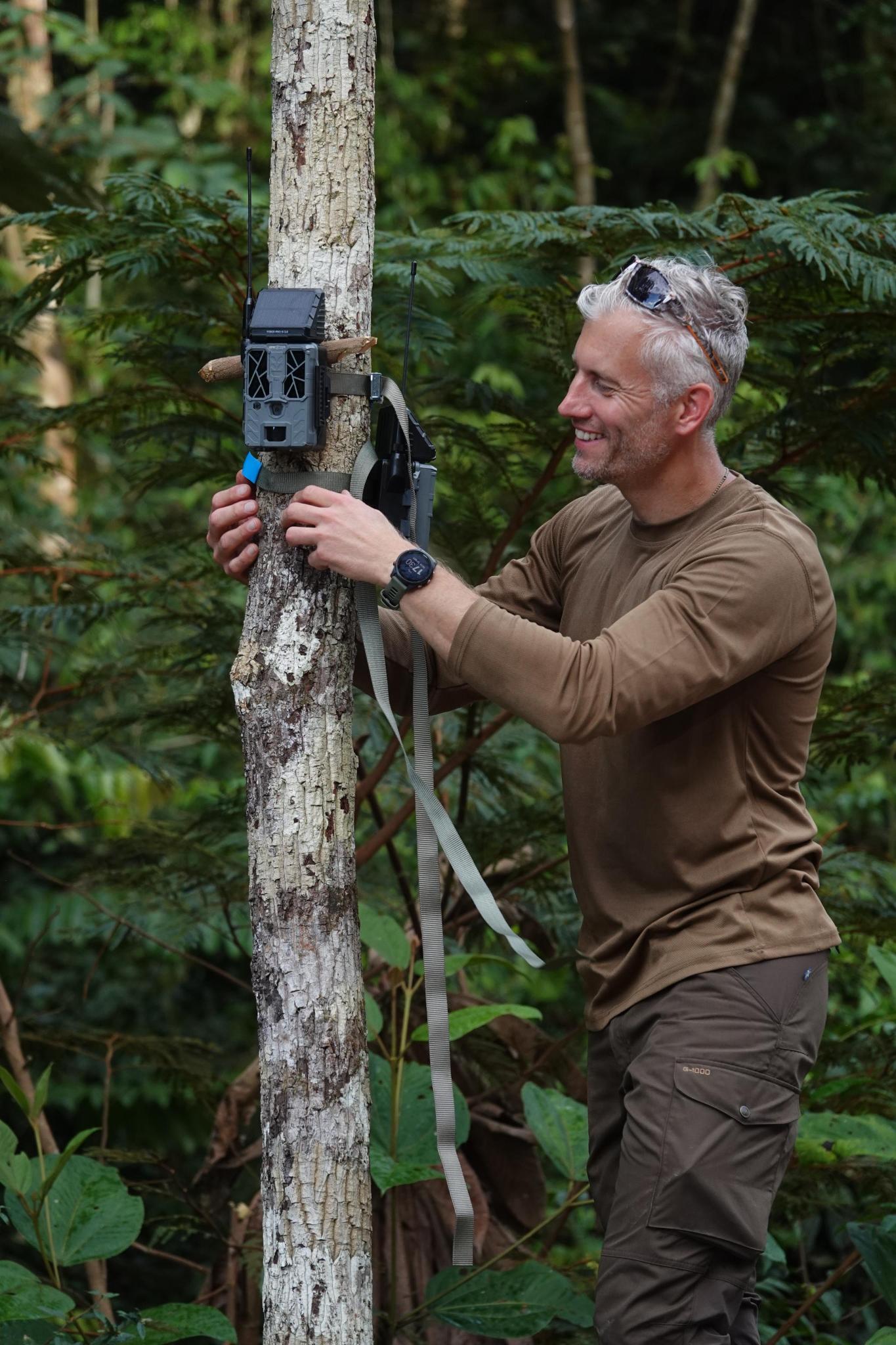
Tim van Deursen installing a forest monitoring camera in the Maró Indigenous Territory
Tim van Deursen from Hack the Planet installing an instant-notification camera trap in the Maró Indigenous Territory.

Technology in the hands of Guardians

The strength of this system is not just the camera itself, but the speed at which the information reaches the people who know the territory best.

The Guardians already use WhatsApp as part of their daily communication. They can therefore receive, view and share alerts without having to learn a new platform. Hack the Planet installed and tested the system together with the Maró Forest Guardian group. The Guardians remain in control of how they interpret the information and organise their monitoring activities.

And that is important because technology is most useful when it strengthens existing Indigenous leadership, knowledge and protection structures rather than replacing them.

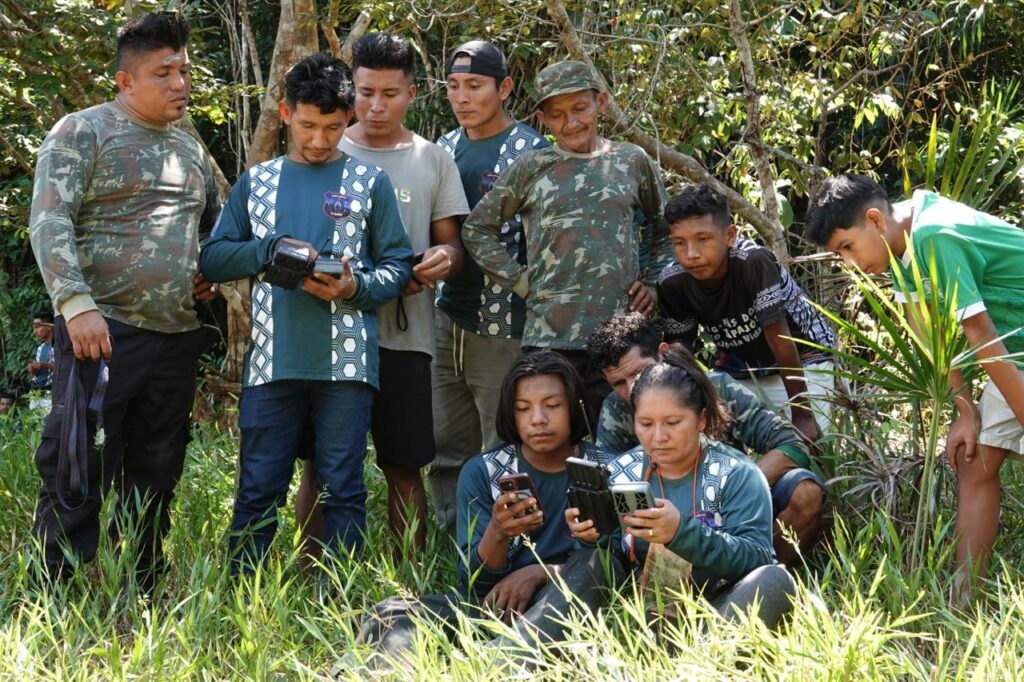
Maró Forest Guardians testing instant-notification camera traps in the Brazilian Amazon
Members of the Maró Forest Guardian group testing the new instant-notification camera system in the Maró Indigenous Territory.

A new step for Maró

The Forest Guardians of Maró have protected their territory for many years through community mobilisation, regular patrols, detailed knowledge of the forest, documentation of suspected illegal activity and engagement with law enforcement and other responsible public authorities. Over time, they have strengthened this work with tools such as GPS devices, cameras, mobile applications and satellite information.

The instant-notification camera traps are the latest addition to this evolving, community-led monitoring system. Faster information from key access points can help the Guardians decide where further monitoring is needed. It also supports more strategic patrol planning and stronger documentation in remote areas.

The project also shows how camera traps in the Amazon can support community-led monitoring without replacing patrols, territorial knowledge or the Guardians’ own decision-making.

The cameras can capture wildlife passing through these access points too, including the occasional jaguar making an unexpected appearance. Their main purpose, however, is to give the Guardians a clearer and more immediate picture of activity entering the territory.

Potential across the Amazon

We believe this type of real-time forest monitoring could become a powerful tool for Indigenous territorial protection across the Amazon.

Every territory is different, and the geography, access routes, risks and priorities must always be defined together with the communities involved. But the potential is clear: when Indigenous Guardians receive faster information, they can make better-informed decisions about how to use limited time, transport and equipment.

Treesistance and Hack the Planet are already exploring how the solution could be adapted for other territories. More soon..

Supporting Indigenous-led protection

This project shows what becomes possible when Indigenous leadership, territorial knowledge and practical technology come together. For donors and partners, supporting this work means more than funding cameras. It means strengthening the ability of Indigenous communities to monitor and protect their own territories over the long term.

The Guardians are already doing the work. Our role is to help ensure they have the tools, infrastructure and resources they need to do it safely and effectively.
Want to know more about the story behind Hack the Planet?
Co-founder Tim van Deursen shares his personal journey in the book Hack the Planet – Jezelf en de wereld verbeteren.

Se forma un grupo de Guardianes del Bosque en Cobra Grande

Formación éxitosa de un nuevo grupo de guardas forestales

Este mes de julio hemos apoyado la formación con éxito de otro grupo de guardas forestales. En la formación participaron 3 grupos indígenas: Arapiun, Jaraqui y Tapajo y se llevó a cabo en el territorio indígena de Cobra Grande. Los habitantes de esta zona se enfrentan a invasores interesados en plantar soja, criar ganado, extraer madera ilegalmente y dedicarse a la caza y la pesca depredadoras. Ahora que se ha completado la formación de un grupo local de guardas forestales, los indígenas de la zona disponen de más herramientas y conocimientos para proteger sus tierras de los invasores ilegales.

Formación de nuevos guardas forestales

La formación corrió a cargo del jefe del programa Treesistance de guardas forestales, el jefe Dadá Borari, y de miembros seleccionados Territorio Indígena de Maró , y fue posible gracias al bufete de abogados holandés Synergy Business Lawyers, que patrocinó la formación. Más de 50 personas recibieron formación con éxito y ya están trabajando sobre el terreno.

La formación incluyó debates sobre técnicas de enfrentamiento seguro, presentaciones sobre defensa del territorio y uso de la tecnología sobre el terreno. Habilidades que, por desgracia, son una necesidad en una zona que ha tenido una historia turbulenta con no indígenas que intentan explotar sus tierras a costa del medio ambiente y de los indígenas que intentan defenderlo.

Group training forest guardians: using technology in the field.

Amenazas para el territorio y el pueblo indígena de Cobra Grande

El Territorio Indígena de Cobra Grande está situado en el municipio de Santarem, a orillas del río Arapiún. Este río nace de los ríos Tapajos y Amazonas. Hace más de 20 años que la FUNAI (Fundación Nacional del Indio de Brasil) trabaja para demarcar el territorio. Desgraciadamente, debido a circunstancias como la falta de estudios cartográficos y territoriales, el proceso ha tardado más de lo esperado. Debido a este retraso en la demarcación de sus tierras, los habitantes del Territorio Indígena de Cobra Grande se enfrentan a numerosos invasores. Esto ha provocado numerosos conflictos entre indígenas y no indígenas. Tanto es así que los casos de violencia y discriminación contra los indígenas llevaron al Ministerio Público Federal a solicitar la apertura de una investigación por parte de la Policía Federal.*

Otro problema enfrentado por los indígenas, con el atraso en la demarcación, fue la creación de un asentamiento agroextractivista por el INCRA - Instituto Nacional de Colonización y Reforma Agraria, que se superpone a sus tierras. Pero, afortunadamente, esa cuestión está resuelta con la delimitación de la TI Cobra Grande, que tiene 8.906 hectáreas en la margen izquierda del curso inferior del río Arapiuns.

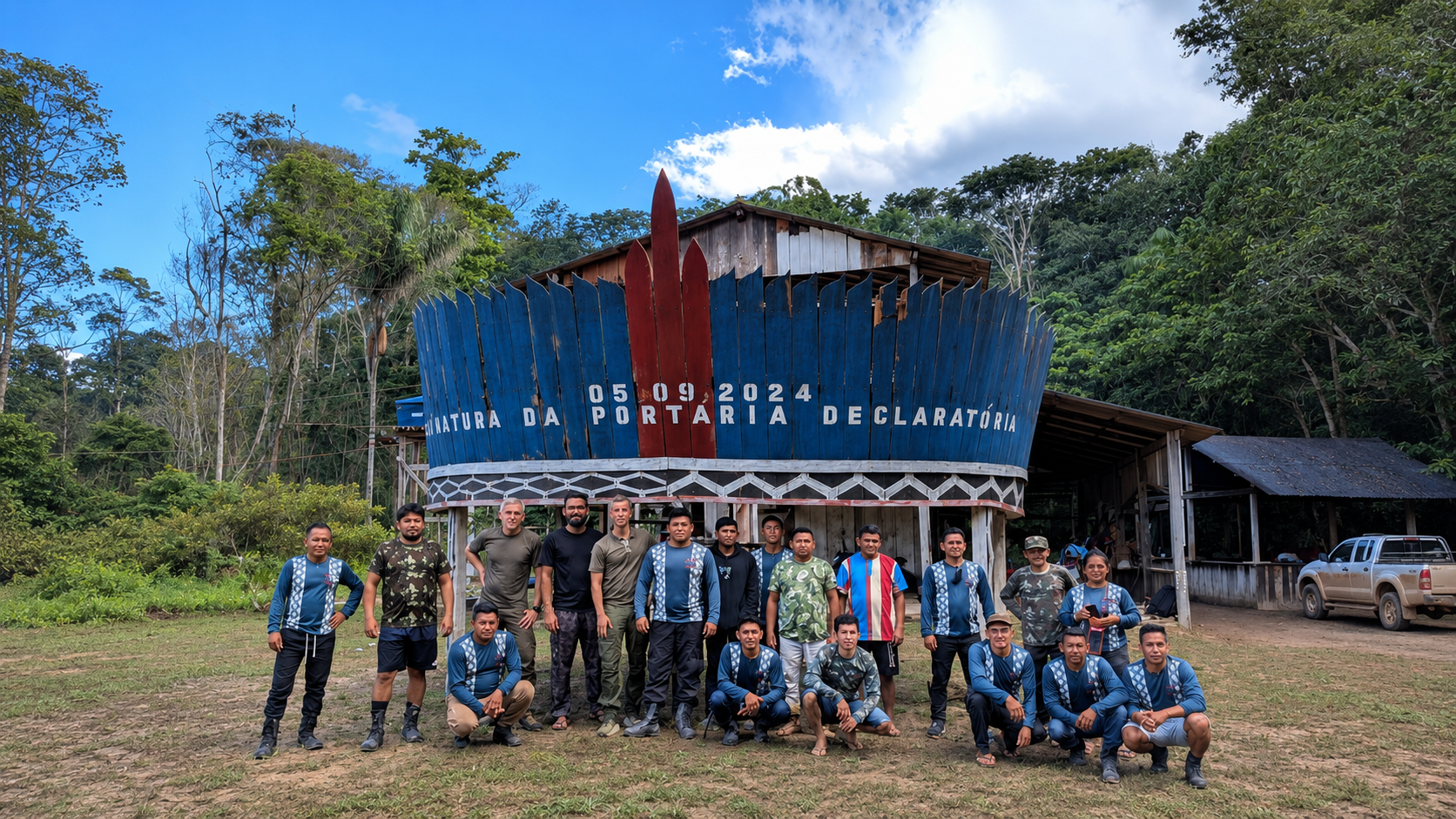
*Actualización - El 5 de septiembre de 2024, el Ministerio de Justicia firmó un decreto para reconocer formalmente el Territorio Indígena Cobra Grande

Bienvenida y agradecimiento especial

Damos la bienvenida al nuevo grupo de guardianes del bosque y les deseamos mucha fuerza y sabiduría en los desafíos que enfrentan. También nos gustaría dar un agradecimiento especial al bufete de abogados holandés Synergy Business Lawyers por patrocinar esta formación.

0

Newsletter
Sign Up

Tú no tienes que estar en el bosque para unirte a la lucha.